
Android Smartphones, Gadgets
Android Smartphones, Gadgets Prices & Smart Home Connection
Exploring the link between gadgets, costs, and the future of smart living
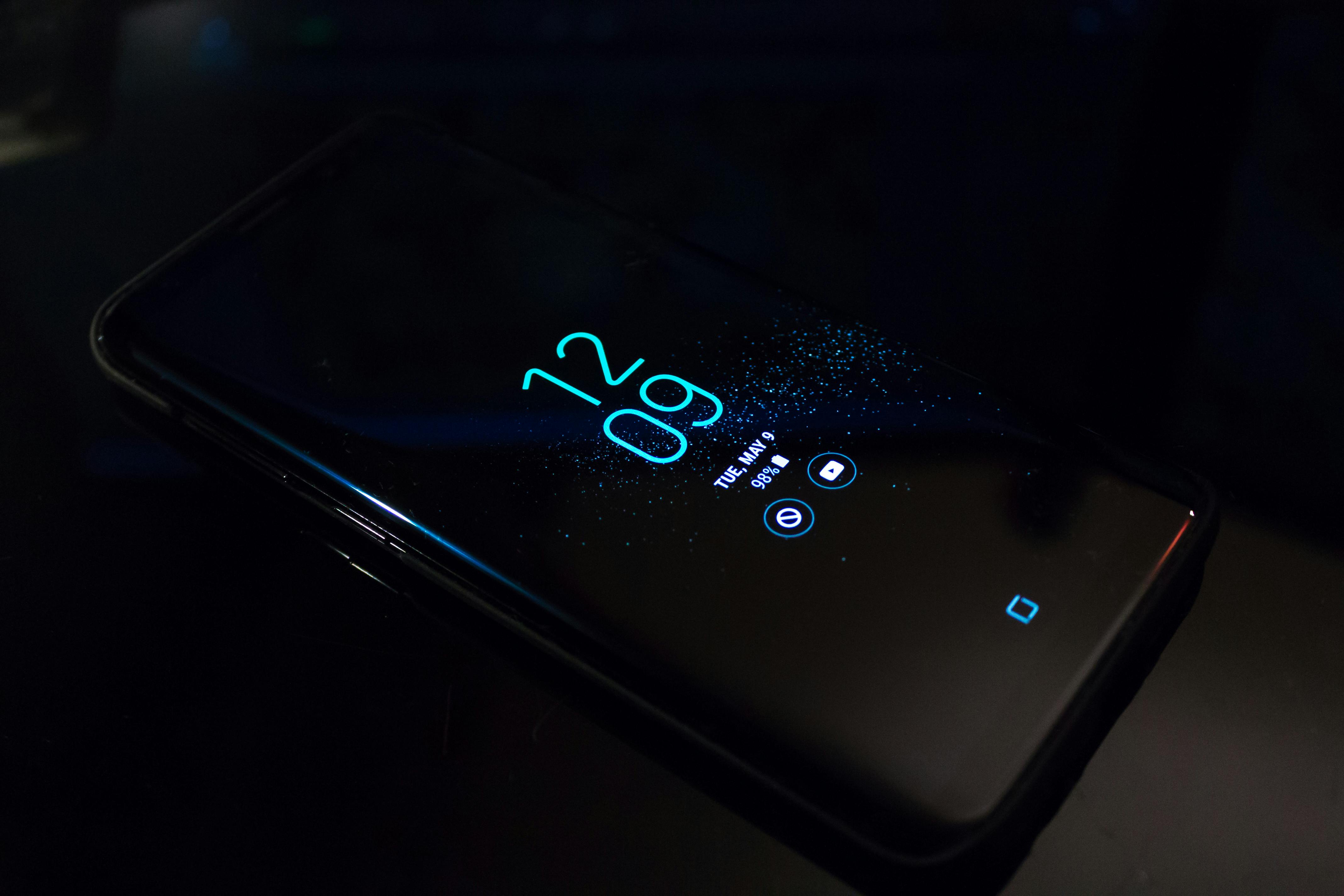
Introduction: Why Android Smartphones Matter
Android smartphones are no longer just communication tools. They are cameras, wallets, health trackers, and even remote controls for smart homes. With different brands and models available at every price range, Android phones remain accessible to millions of people. In this post, I want to take you through the world of Android smartphones, the cost of gadgets, and how these devices are becoming a central part of smart living.
Android Smartphones and Price Ranges
One of the reasons Android dominates the global market is its diversity.
Unlike closed ecosystems, Android gives users choices: budget-friendly models,
mid-range powerhouses, and premium flagships.
Budget smartphones: Priced around $100–$250, these phones offer essential features like
good cameras, long-lasting batteries, and decent performance for daily tasks.
Mid-range smartphones: Ranging from $300–$600, these devices bring balance: fast processors,
better displays, and more powerful cameras. Popular for students and young professionals.
Flagship smartphones: From $700–$1500, premium devices with the latest technology:
foldable screens, 5G connectivity, AI-driven cameras, and integration with other smart gadgets.

Popular Android Gadgets and Their Prices
Apart from smartphones, Android connects with multiple gadgets that extend its usability:
• Smartwatches: Price $100–$500. They monitor health, display notifications, and allow quick communication.
• Wireless Earbuds: Price $50–$250. Essential for calls, music, and even gaming.
• Tablets: Price $150–$900. Perfect for study, entertainment, and productivity.
• Smart Speakers: Price $80–$300. Linked with Google Assistant or Alexa, they control smart home devices.
• Fitness Bands: Price $30–$150. Budget-friendly wearables that track steps, sleep, and heart rates.
Smart Home Connection with Android
One of the most exciting parts of Android’s ecosystem is how smoothly it integrates with smart homes. Imagine this: you’re leaving work, and with one tap on your phone, the lights turn on, the air conditioner adjusts to your preferred temperature, and the smart lock opens the door. Android makes this possible with apps and voice assistants like Google Home.
1. Smart Lighting
Android phones can control smart bulbs remotely. Users can change brightness, set schedules, or even switch colors. Energy-saving features help reduce electricity bills.
2. Smart Security
From video doorbells to motion sensors, Android apps allow you to monitor and control home security systems. Live notifications mean you always know what’s happening at your home.
3. Smart Appliances
Washing machines, refrigerators, and ovens are now connected. With an Android device, you can start a wash cycle, adjust cooling, or preheat the oven — even if you’re not at home.

Future of Android and Smart Homes
The future looks even brighter. With AI, Android smartphones will predict user needs before commands are given. Smart homes will run almost automatically: adjusting lights, suggesting meals, and maintaining energy efficiency. Prices for gadgets will continue to vary, but with competition, technology will become cheaper and more accessible.
Conclusion
Android smartphones are no longer just about calls and apps — they are the hub of our daily lives. With gadgets priced for every budget and seamless integration into smart homes, they shape the way we live, work, and rest. Investing in Android gadgets is not only about technology — it’s about convenience, security, and future-proof living.


Комментарии
Отправить комментарий